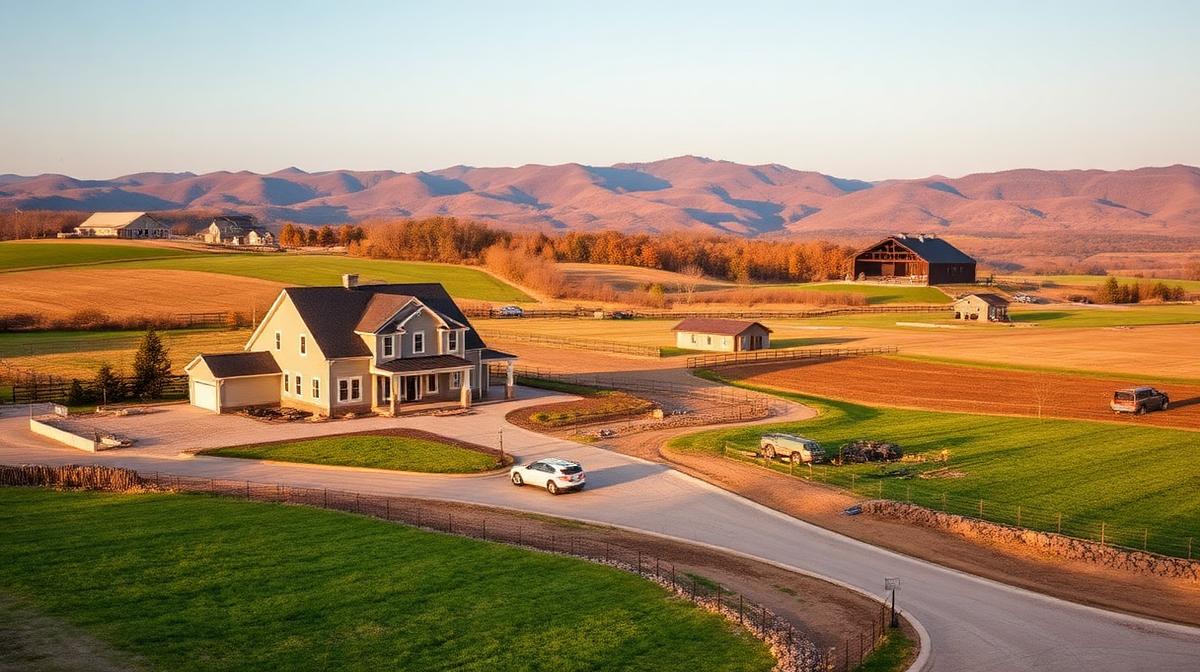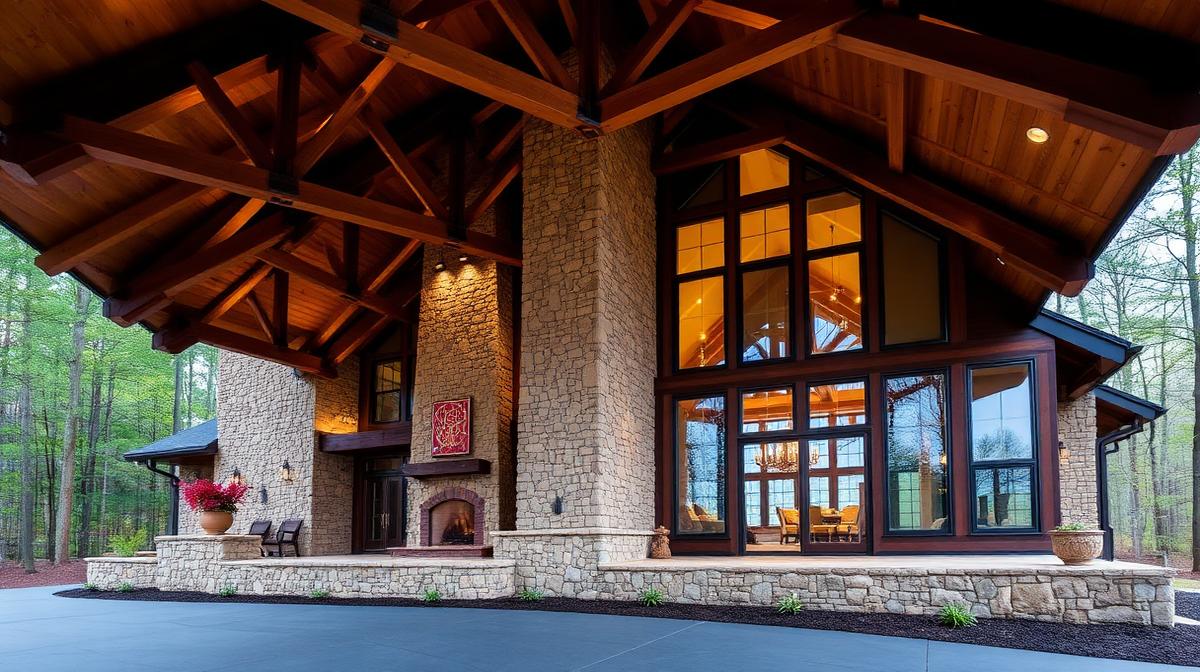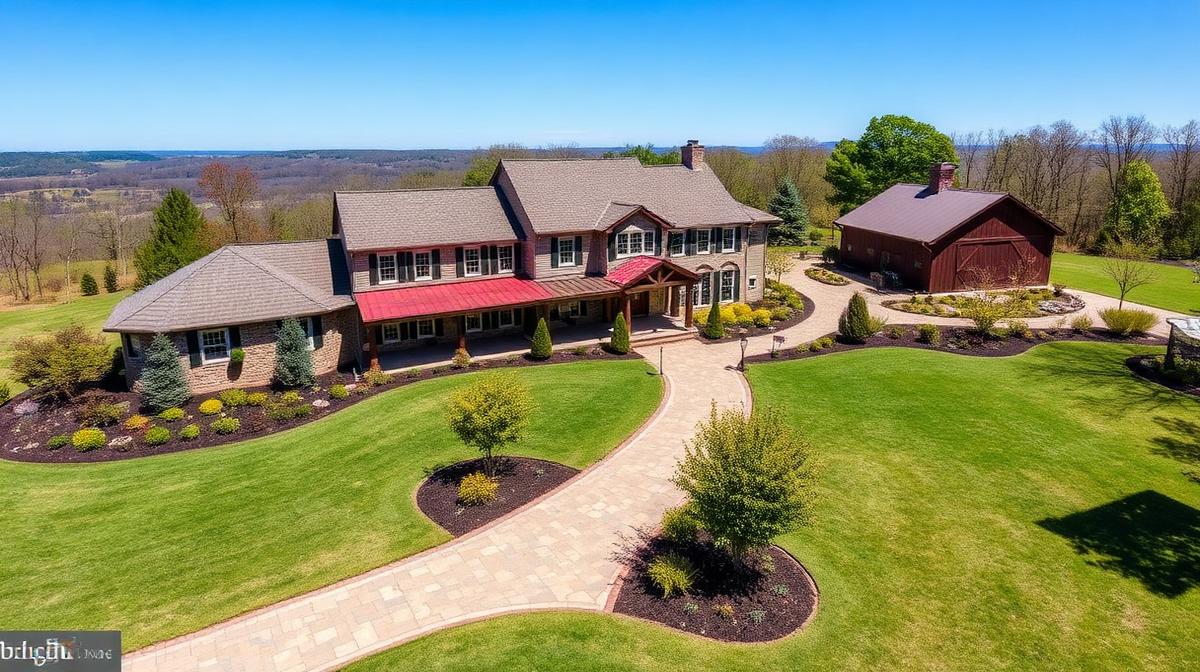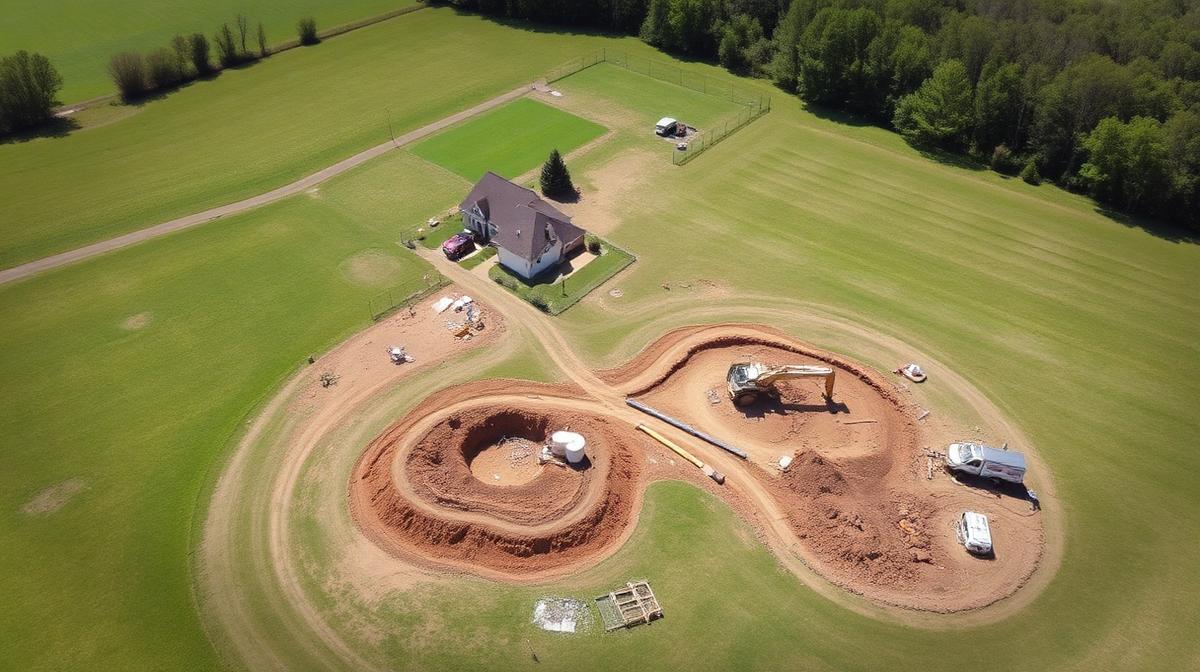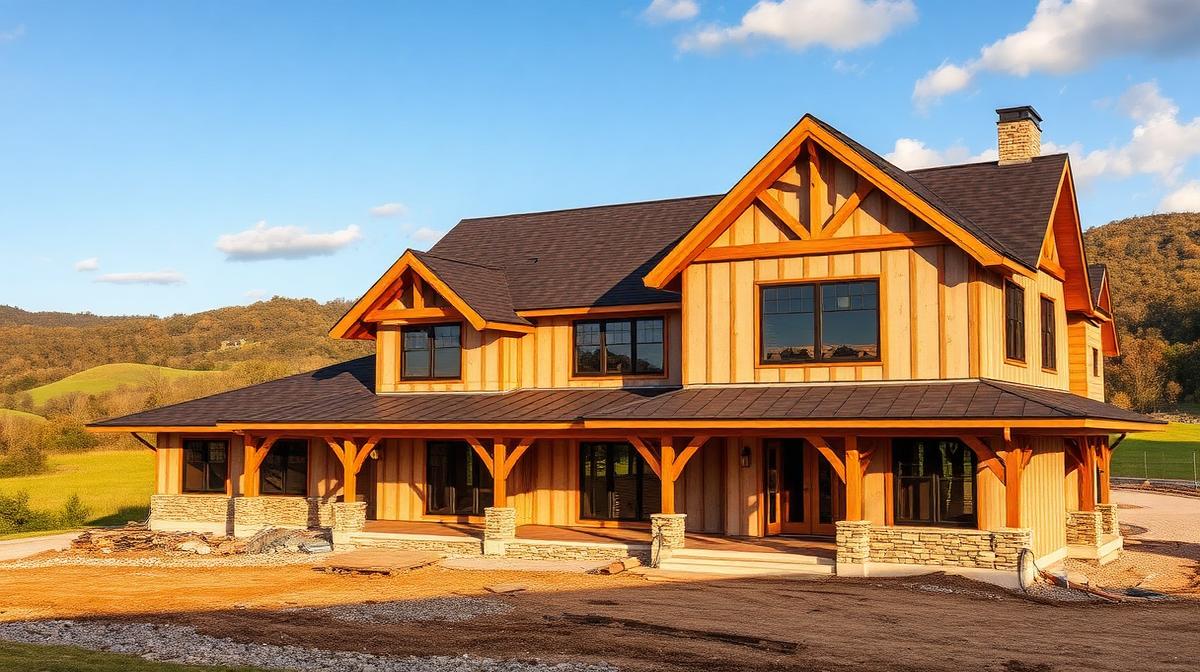
What Does a Timber Frame Home Cost in Virginia in 2026?
Understand the real costs of timber frame construction in Virginia, from frame-only packages to turnkey homes. Learn why heirloom construction is measured in generations, not just dollars.
Our Blog
Construction tips, project showcases, and industry insights to help you plan your next building project.

Understand the real costs of timber frame construction in Virginia, from frame-only packages to turnkey homes. Learn why heirloom construction is measured in generations, not just dollars.

Custom homes in Loudoun County typically run $450–$900+ per square foot in 2026. Learn what drives cost — sitework, zoning, finishes — and how to budget honestly.

Custom homes in Virginia typically take 14–24 months from contract to certificate of occupancy. Phase-by-phase timeline including feasibility, design, permitting, and construction.

A design-build firm delivers architecture, engineering, and construction under a single contract. Here is what that means for custom homes, rural projects, and estate work in Virginia.

AR-1 and AR-2 are Loudoun County's two primary rural zoning districts — but they govern very different parcels with different density rules, lot-size minimums, and what you can actually build. Here's the full side-by-side comparison every Northern Virginia landowner needs before buying, designing, or permitting.

Virginia's best wineries and breweries share a structural secret -- timber frame construction delivers the cathedral volumes, open floor plans, and heritage character that production beverage facilities demand. Here's why the economics and engineering favor heavy timber for hospitality construction.

The distinction between an agricultural event barn and a commercial hospitality venue determines your permit path, your construction costs, your insurance requirements, and how quickly you can open. Get it wrong and you lose a full season -- or face a stop-work order.

The house itself is rarely the budget surprise. It's the six-figure site work, the permit sequencing delays, and the infrastructure costs that most rural landowners never see coming until they're already committed.

Building a custom estate home in Virginia takes 12–24 months in standard conditions. The fast track — for owners who start with a properly structured preconstruction phase — is 16–18 months. This article breaks down every phase, explains where projects lose six to twelve months, and introduces the Phase Acceleration Model Hearthstone uses to protect your schedule from day one.

On a rural Virginia property, the driveway is not a driveway — it is infrastructure. Getting site access right before construction begins determines whether your project runs on schedule or grinds to a halt the first time a concrete truck gets stuck. This guide covers VDOT permit requirements, design standards, grading considerations, and real costs for rural access construction in Loudoun and Fauquier counties.

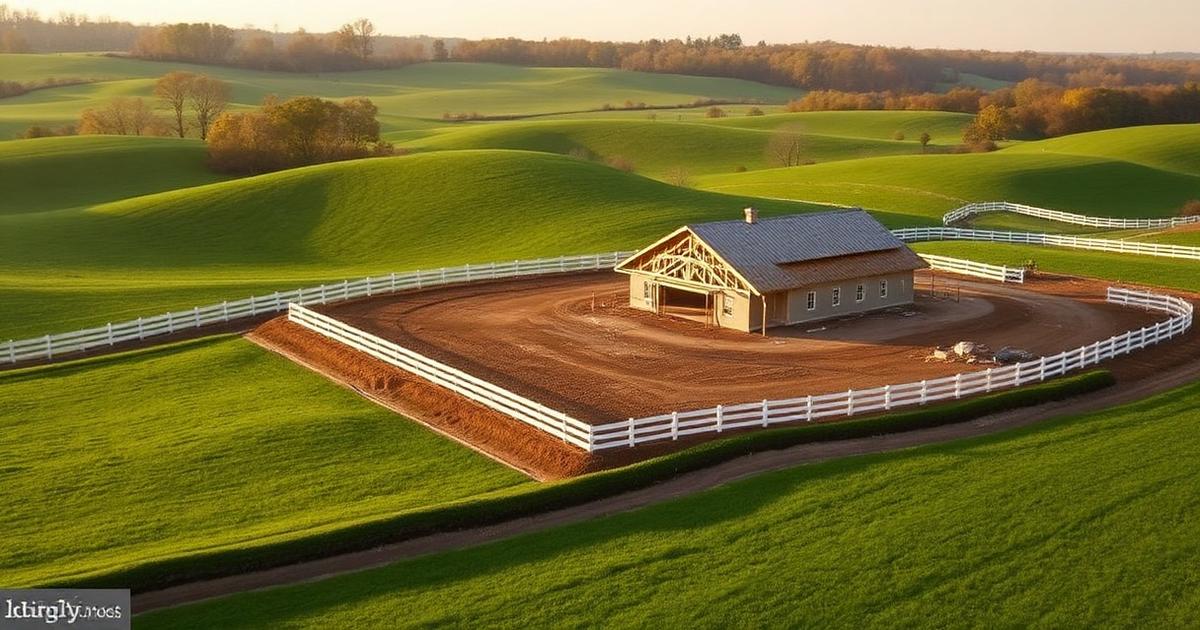
Building an equestrian facility in Northern Virginia requires more than finding a good barn company — it means understanding zoning classifications, permit pathways, site logistics, and construction sequencing before a single post goes in the ground. This guide covers what horse property owners in Fauquier, Loudoun, and the surrounding Hunt Country region need to know before they build.

Virginia is home to over 300 wineries and one of the fastest-growing wine regions in the country. If you're planning to build — or expand — a winery on Virginia land, the process is more structured than most operators expect. This is the construction guide that cuts through the noise.

Agricultural land in Loudoun County offers extraordinary building potential — but only if you understand what the zoning allows, where the permitting bodies intersect, and how to sequence your project before the first design dollar is spent. This guide covers the essentials every rural landowner needs.

Timber frame construction in Virginia carries a higher price tag than stick-built — and for good reason. This guide breaks down exactly where your money goes, what drives cost up or down, and what realistic project budgets look like in Loudoun County and Northern Virginia in 2026.

The estates that become truly extraordinary aren't just houses on land—they're complete properties, designed from the beginning with every structure, every view corridor, and every function considered together. Here's how Hearthstone approaches the design of multi-structure estate properties in Loudoun County and Northern Virginia.

On rural land in Loudoun County and across Northern Virginia, septic and well permits aren't just paperwork—they determine where your house can sit, how large it can be, and whether your timeline holds. Most rural builds stall in this phase. Here's how to navigate it correctly from day one.

When you're building a custom estate in Loudoun County, the delivery method you choose matters as much as the design itself. Design-build and traditional construction aren't just different hiring approaches—they produce measurably different outcomes on budget, schedule, and accountability. Here's what every rural Virginia landowner should understand before signing anything.

Buying land in Northern Virginia without understanding its zoning is like signing a building contract without reading it. The zoning designation on your parcel — whether AR-1, A-3, or something else entirely — determines your density, your setbacks, your infrastructure requirements, and ultimately whether your vision for the property is achievable at all. Here's what you need to know.

Most builders will tell you timber frame costs more. That's true — and it also misses the point. The real question is what you're building, what you want it to look and feel like in 50 years, and whether the structure needs to earn its keep beyond housing your family. Here's the full comparison from a builder who works in both systems on estate-scale projects across Loudoun and Fauquier Counties.

AR-1 is Loudoun County's Agricultural Rural-1 zoning district — and it governs more land in western Loudoun than any other designation. If you own AR-1 land or are considering buying it, understanding what you can and can't build before breaking ground will save you time, money, and significant frustration. Here's a plain-English breakdown of the rules, the opportunities, and the common mistakes landowners make.

Explore timber frame construction with Hearthstone Construction, a Virginia design-build firm. Learn its benefits, history, and why it's ideal for legacy properties.

Discover how to design and build a custom timber frame home in Northern Virginia. Learn about design principles, materials, and the construction process for luxury timber frame estates.

Design stunning outdoor entertaining spaces with custom patios, pavilions, and luxury landscaping. Learn how to create high-end outdoor living areas that enhance your Virginia estate.

Create stunning outdoor entertaining spaces with custom patios, pavilions, and luxury landscaping. Hearthstone Construction specializes in high-end outdoor living design for Virginia estates.

Understand the engineering and design principles behind timber frame roof systems.

Design premium equestrian facilities for luxury horse estates in Northern Virginia. Learn about barn design, paddock layouts, arena construction, and pasture management for high-value equestrian properties. Hearthstone Construction specializes in custom equestrian estates across Loudoun, Fauquier, and Clarke Counties.

Planning to build on rural land in Loudoun County? Before you break ground, understand how zoning districts, land-use overlays, and environmental constraints can impact your project timeline and design.

Proper septic and well system design is critical for rural estate properties. Learn the planning requirements, permitting process, and best practices for water infrastructure on Virginia rural land.

A guide for landowners and estate property developers explaining the key considerations before building on rural land in Loudoun County, including zoning regulations, septic systems, infrastructure planning, and environmental considerations.

A practical guide to zoning, approvals, and project planning for agricultural landowners.

Understand the real costs of timber frame construction in Virginia, from frame-only packages to turnkey homes. Learn why heirloom construction is measured in generations, not just dollars.
From sustainable materials to smart home integration, discover the construction trends shaping residential building in Northern Virginia.

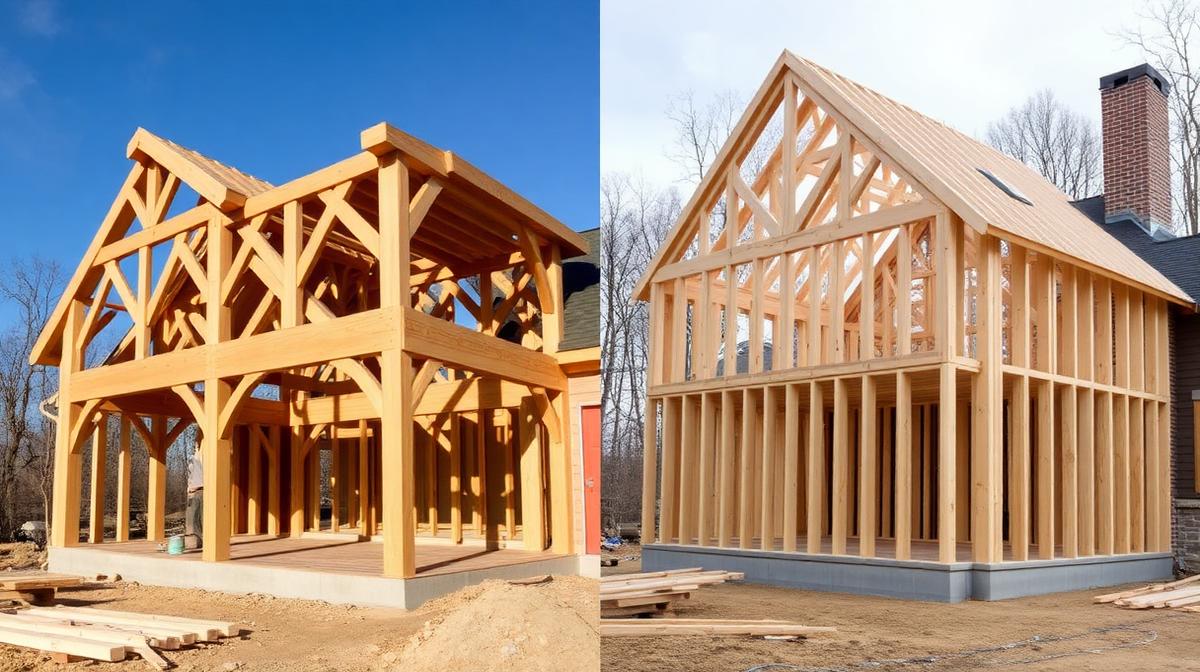
Explore the key differences between timber frame and conventional stick-built homes to make an informed decision for your next project.

See how we transformed a hillside property into a stunning outdoor oasis with an infinity edge pool and natural stone hardscaping.
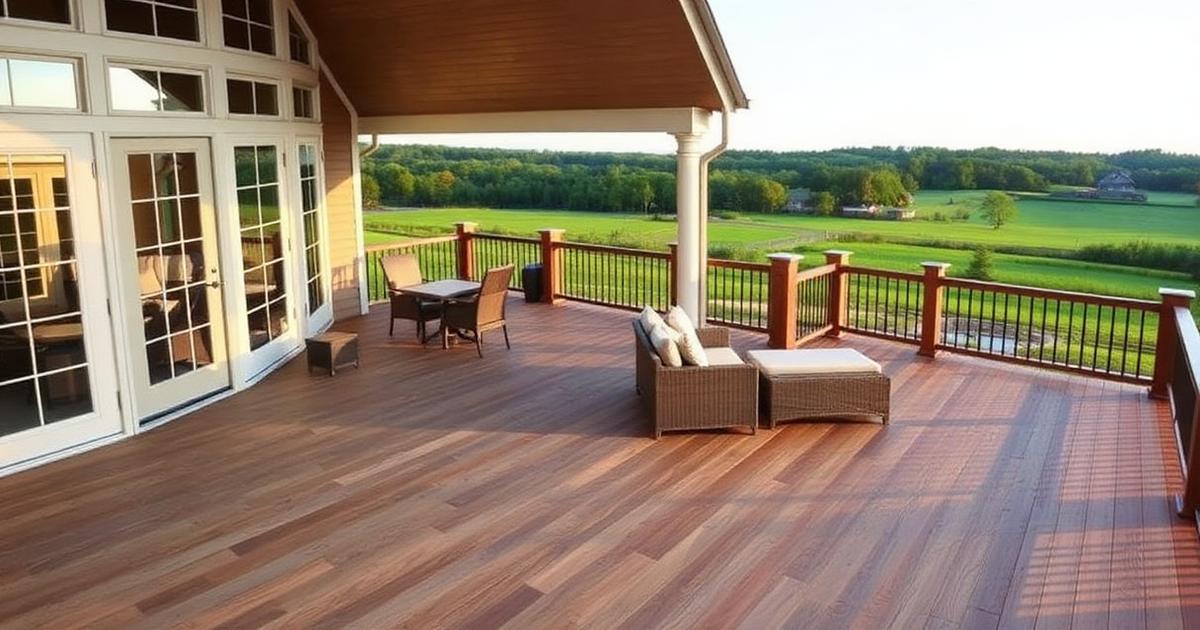
Pressure-treated, composite, or hardwood? Learn which decking material performs best in Northern Virginia's four-season climate.

Pole barn construction isn't just for farms. Discover how property owners are using these versatile structures for workshops, event venues, and more.
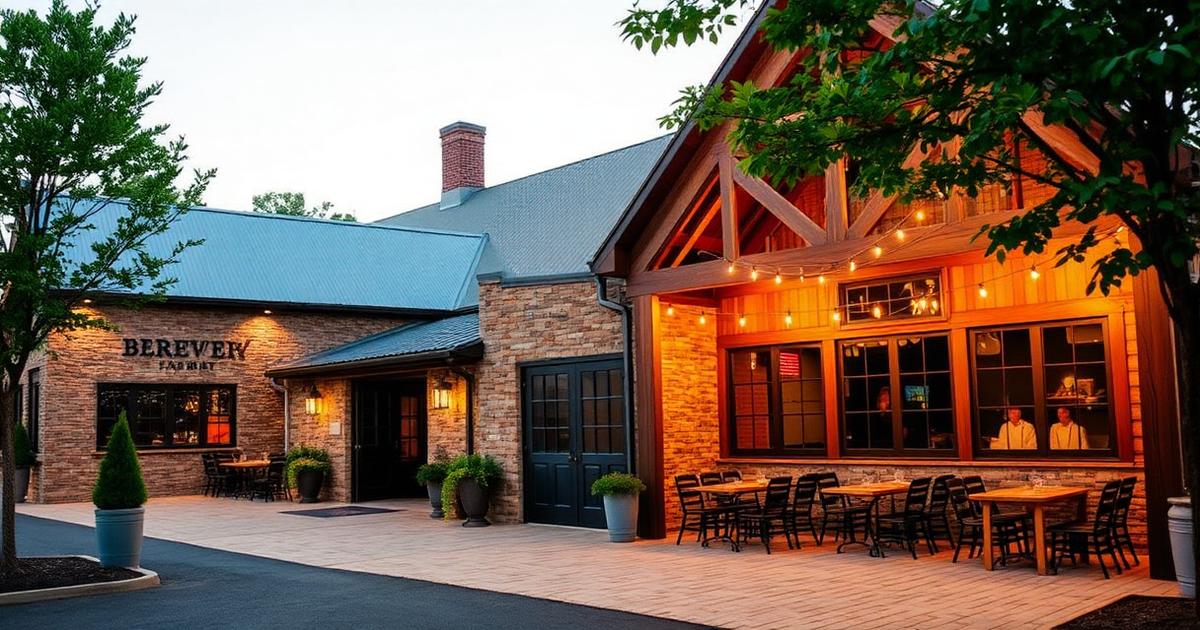
How we transformed a historic agricultural building into a modern craft brewery and taproom while preserving its rustic character.

Understanding the key differences between timber frame and post-and-beam construction helps you choose the right approach for your project.

Honest insights into timber frame pricing in Virginia—what drives costs, what to expect, and how to budget for your project.

Before purchasing a timber frame kit, understand the hidden risks and why design-build execution protects your investment.

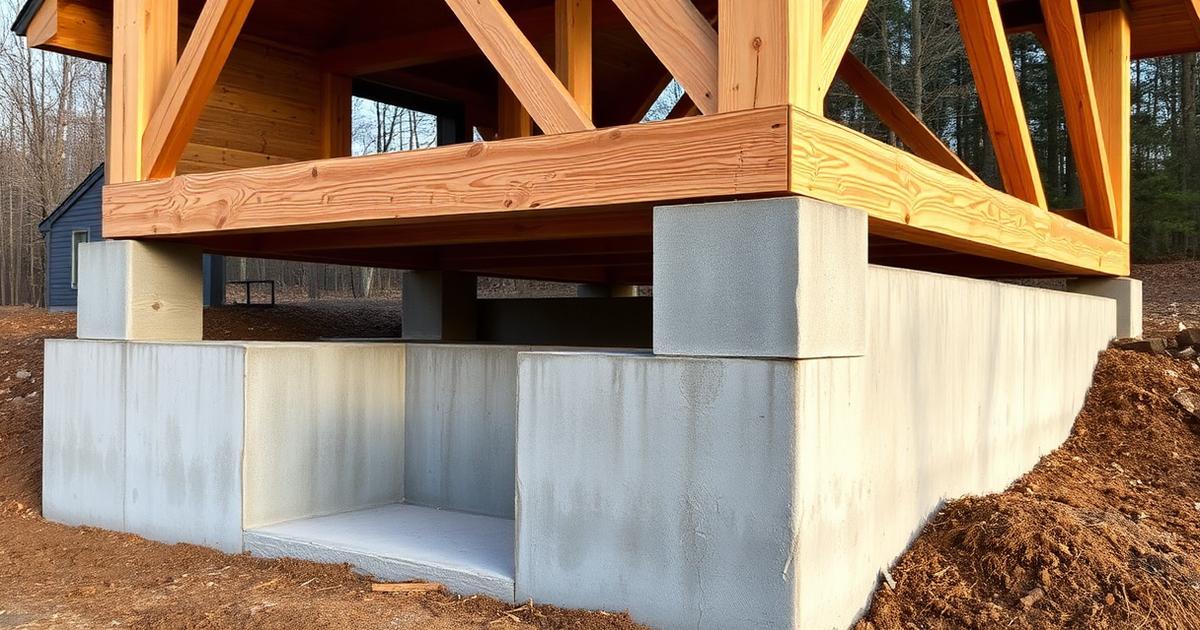
The connection between your timber frame and its foundation is critical. Here's what you need to know about proper integration.

Learn from others' mistakes. These common timber frame construction errors are preventable with proper planning and experienced execution.
Download our free guide covering zoning, permitting, septic, well water, and the most common mistakes landowners make before breaking ground.
Before You Build on Rural Land in Northern Virginia
Free planning guide — zoning, permitting, septic, timelines, and cost factors.
We use cookies to enhance your browsing experience, analyze site traffic, and personalize content. By clicking "Accept All", you consent to our use of cookies. Learn more about our privacy policy